
Ancestral Bequest
Poetry of Place

Dear Fellow Dreamer,
Last week my father visited me in a dream. It’s happened a few times since he died in 2020. Next came an unexpected arrival.
But before I tell you about those things, I hope you’ve been having a lovely summer. It’s been over a month since I last wrote, and in that period so many issues in our world have been calling for our attention, care, and conscious action—for the living beings on this planet now and in the generations to come. Yet even in tumultuous times, here on Earth are wonders. “Little things” may bring us a sense of awe and connection.
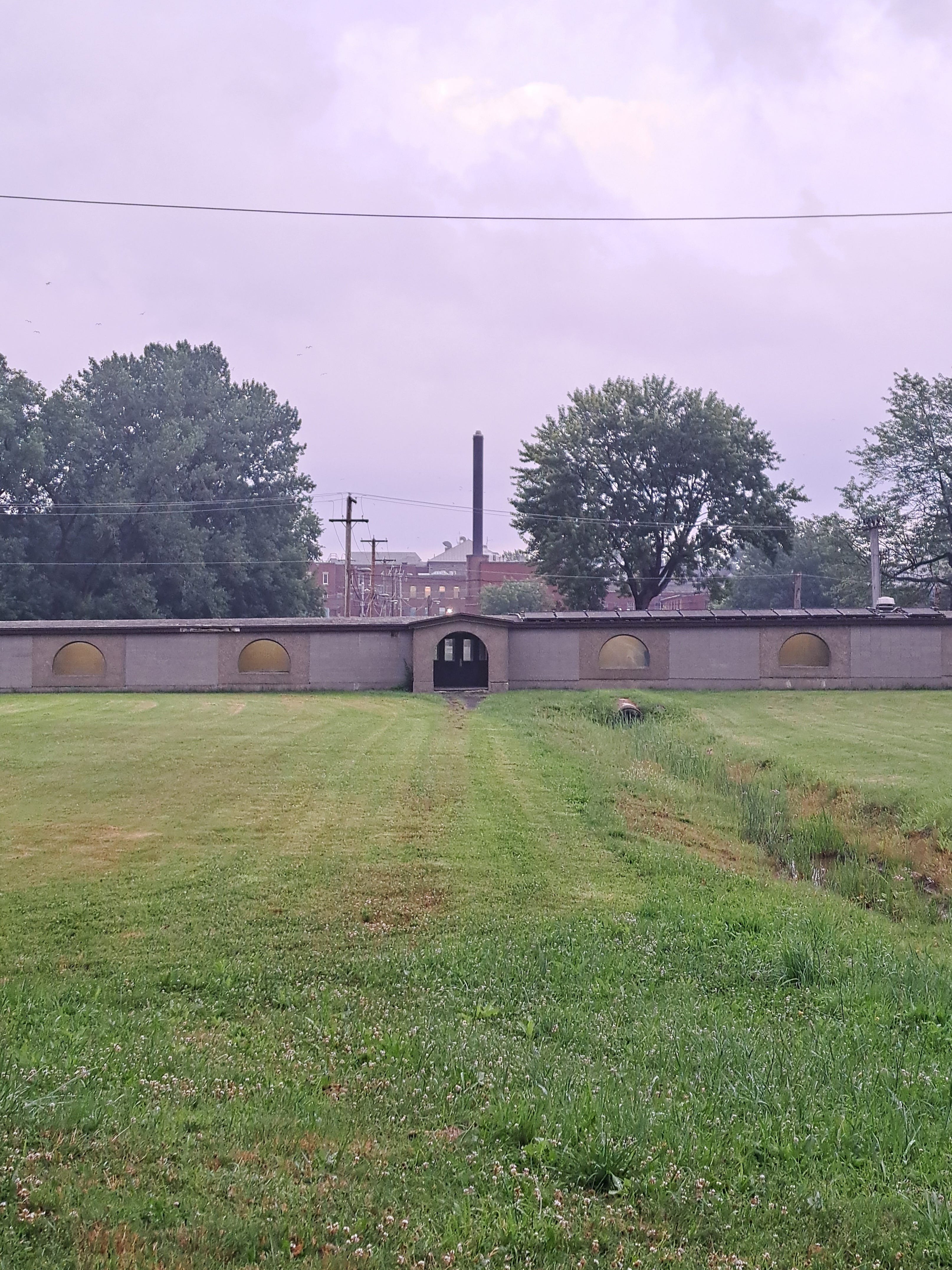
In ordinary reality, last Saturday my husband and I drove to Montreal to visit the mental hospital where, long ago, my father’s grandmother Jessie had lived much of her life. The only other time I’d seen the place was when I’d searched for it in 2009. Back then, I’d wandered the grounds and taken photographs. At the archives, when I’d inquired about Jessie’s records, I was told I couldn’t apply for them, but my father or his siblings could. Did I ask any of them to do it? No. Where was my voice? Was I simply afraid of stirring up old pain? In young adulthood, the discovery of their grandmother’s existence was also a discovery that her life had been kept a secret from them. One that left my father feeling angry and betrayed. And perhaps worried. Fear of all kinds of illness ran deep in my grandmother. At six, she’d seen her mother leave for “a brief hospital stay,” never to return. In her growing years on the farm, people said diseases of the mind were hereditary—akin to sins and curses. When she became a mother herself, my grandmother Mabel decided it was best to keep quiet about her mother to prevent her children from thinking they were “marked.” How many relatives of the 20th century’s institutionalized mentally ill endured a similar private hell?
After my father’s death, I reached out for Jessie’s records. But they’d been destroyed.
The week before our Montreal trip, I’d done shamanic sessions with two classmates—part of a routine practice in my ongoing training with Jane Burns. Our focus was on healing ancestral patterns of wounding and dysfunction. Perhaps you’ve noticed such patterns in your own family history? Here are a few of the many categories of phenomena that may show up, again and again, across generations:
Alcoholism and addiction
Abuse (all forms)
Misfortune or the loss of fortune
Premature death, fatal accidents
Loss of children
Infidelity
Mental illness
Roles such as scapegoat, black sheep, etc.
The subjugation of women in a family
Criminal behaviour
According to the shamanic view, when dysfunctional patterns endure, the health of an ancestral line is negatively impacted. Since it’s natural that a family line be strengthened over time, not weakened, we do our best to identify the areas in need of healing, then get to work.
Because I’d been experiencing vulnerability and full-blown anxiety over my new novel going to print, I kept wondering—why the fear? To both shamanic practitioners I confided that I’d been more nervous with this book than my others. “Writing is something you chose,” one of them told me. “It’s your duty.”
Whether or not you believe we choose our assignments in this life, there’s something about the story of choosing that holds potency—the idea that what we select for ourselves is a healing response to past struggles, including those of our ancestors. There are certain family patterns that we take on, others we don’t. In one of the descriptions of my novel River of Dreams are the words “giving voice to the silenced.”
That’s a pattern I’ve taken on. Giving voice to women—not only those once locked away, but locked in. Using my voice can bring anxiety. To heal the wound, sometimes we have to re-enter it.
For generations, on both sides of my family, women’s voices and the voice of the feminine expressed through men have often been muted, since in a culture where women are conditioned to be subservient, they (we) tend neither to speak up nor stand out. When we do, a fear of getting in trouble arises—of “not getting it right.” Even now in the 21st century I watch it surface in me and sit with it, perhaps sensing the generations of mothers in my blood, or just my own remembered past—growing up in the shadows of big male energies.
As a child, I was naturally expressive, and I loved pleasing others—my parents especially—through artistic creations. Back then, being creative through writing, visual art, music, and theatre was a safe home. But ultimately, in early adulthood, it was clear that my life path and duties, and my father’s, were different—something that led to a disconnection I think we both grappled with. One minute, I could feel glad to have pleased him, but the next—fallen short and like a fool. My dad grew up in a musician’s home where money was scarce, so he couldn’t understand my impracticality in wanting to pursue a life in the arts. On some level, he may have feared the burden of my “demise.”
Cue that familiar worry about not getting it right…
What would it have been like for a young mother plunged into depression following surgery in 1910? A farmer’s wife, expected to raise children and do the work of managing a household on the land—that endless cycle of activities and responsibilities in rhythm with the seasons. And what was it like for the mother who raised that daughter? One whose life became both a tragedy and a burden. A daughter who, grappling with mental illness, clearly “could not get it right”?
During my session with a fellow shamanic student, I was shown the mother of my institutionalized great-grandmother as having initiated a particularly strong pattern of not speaking up. With too faint a voice, perhaps she, along with her assertive, proud husband, had amplified a centuries-old imbalance between feminine and masculine energies. After her daughter had been admitted to hospital and further declined, my second great-grandmother Harriett would not go to see her. (This, I know from letters). She was afraid of seeing her. Only the men ever went, and only periodically. The image that came was that of a candle being extinguished.
My received mantra? “You’re allowed to take up space. Shine your light.” I’m sharing it with you now, in case you need to hear those words, too.
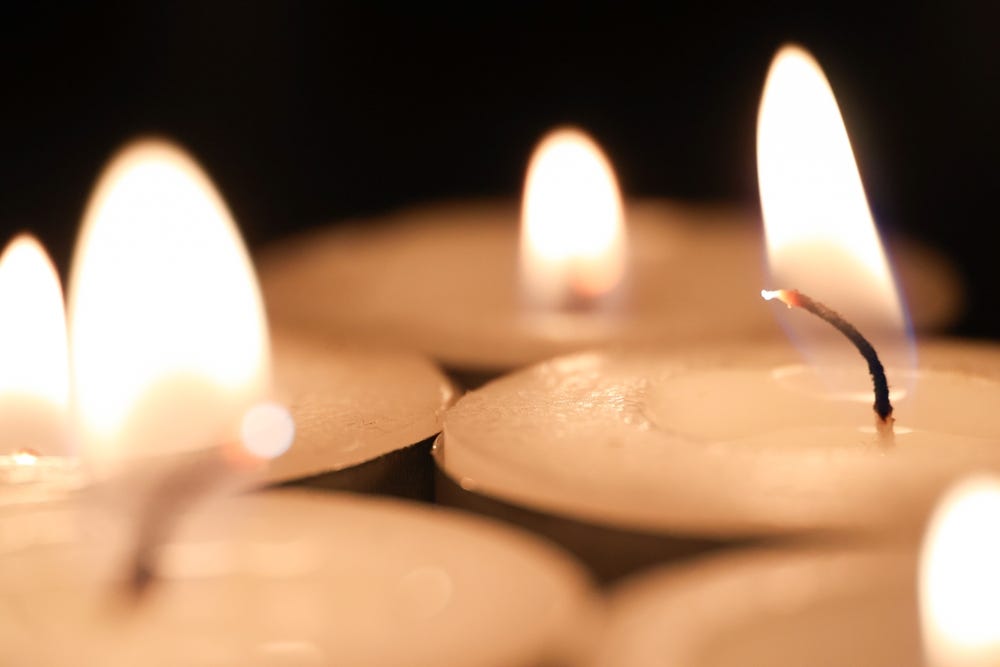
Following an Internal Family Systems ritual, after that first session, I burned five tea light candles representing five generations in Jessie’s line, starting with Harriett and ending with me. I spoke words of forgiveness to all involved. I sent blessings. Working in my office while the candles burned, I almost didn’t notice that the flame that lasted longest wasn’t the last one I’d lit, but the first. Harriett’s candle. The ancestor who’d been afraid to visit her daughter. One who, in turn, imparted the same fear to her daughter’s daughter. Staring at the light, I felt a wave of gentleness and caring. Perhaps Harriett had wanted desperately to voice her objection—Don’t send her away! —but had kept quiet. In any case, on my altar, a light was glowing. The ritual ends with the words, “Bless me as I do it differently.”
On the immense grounds of the hospital at twilight, under a grey summer sky, my husband and I walked in search of a spot where the next day I could create a video of me reading a poem I’d written years ago for Jessie.


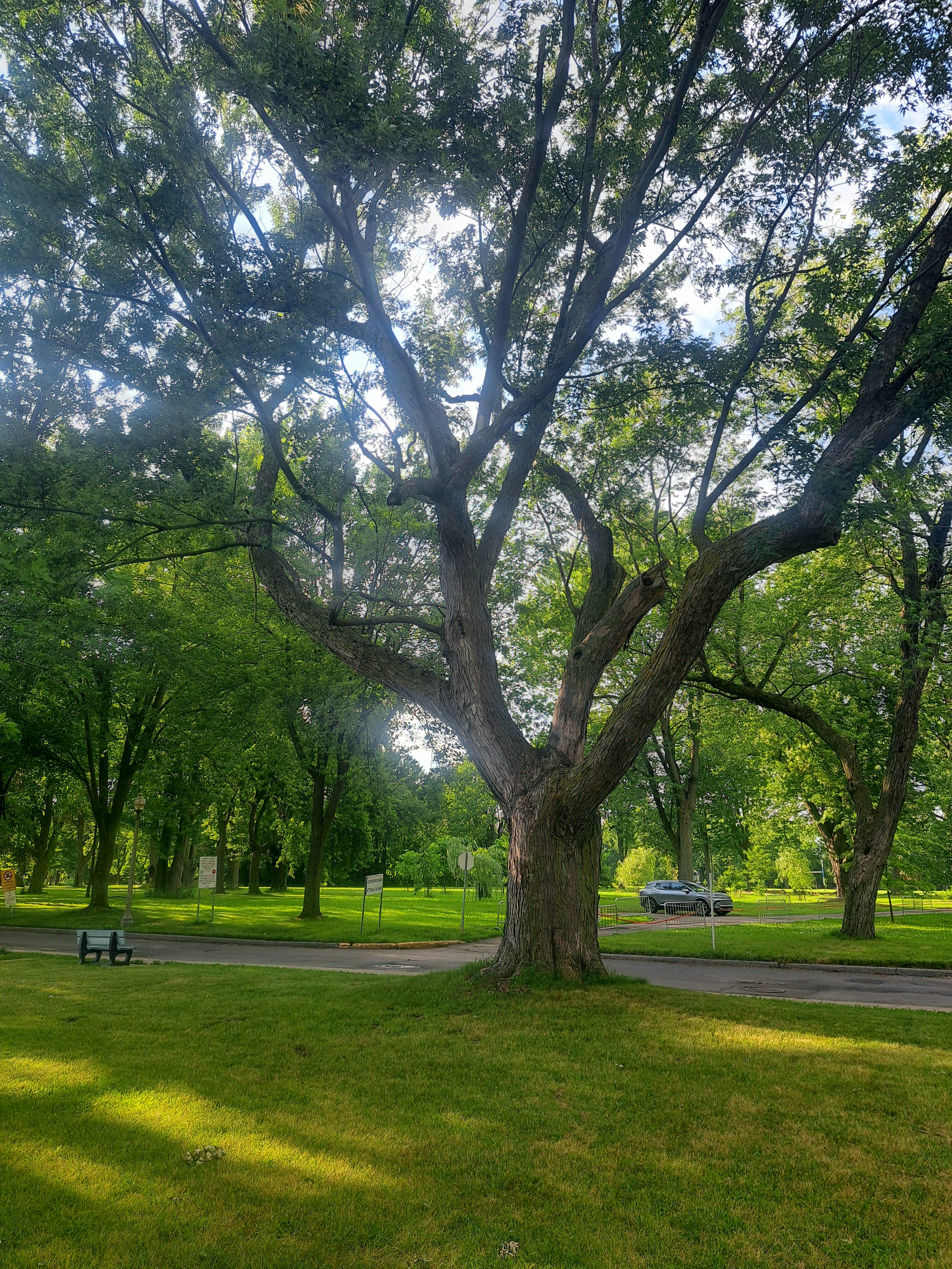
Afterward, pulling out along one of the campus roads past sunset, a front tire went flat. With the atmosphere darkening, we called for roadside assistance. But that first attempt failed when the patroller couldn’t find us. For three hours we ended up staying on the grounds of the institution, past midnight. I thought of my grandmother and how she would have been horrified. I thought of Jessie sleeping in the dark here for fifty years. And I leaned on the trunk of a tall old maple tree, wishing I could connect with her but feeling too agitated. Would we even be able to come back tomorrow, so I could read the poem? Or would the whole day be spent trying to get new front tires? Or worse, arranging to be towed 160 kilometres back to Gatineau.
That night, still rattled by my request to make a few last changes to the typeset copy of my book and, having done so, sending it on, and by waiting for hours in the dark and speaking to a security guard who said, “Stay in your car and lock your doors,” I couldn’t sleep.
Then I did. And Dad came into my dream.
He gave me scenes in small picture frames with three-dimensional characters I could touch. A gift I almost forgot upon waking. But I didn’t forget, and in remembering, felt more assured. “A good animus figure,” a Jungian analyst might say. A fragment that reminded me of a decades-ago winter day when I was home from kindergarten lying on the couch with the flu, propped on cushions under a blanket watching news coverage of the Apollo 14 lunar mission. The astronauts, Alan Shepard and Edgar Mitchell, were walking on the moon. Of course, I didn’t know that one day I’d become fascinated by Mitchell’s account of his transcendent experience while returning to Earth, and by his work on consciousness and supernormal phenomena. In any case, my father came home from the university, briefcase in hand, and opened it to reveal a gift. A little Flatsy Doll in a picture frame. I’ve never forgotten that surprise and upwelling of delight, a feeling of something I understood but didn’t have words for. Unconditional love.
When I awoke, Hugh was out looking for auto shops. Once he’d returned, I told him about the dream of Dad, and how good I felt. I’d stopped worrying about my book. Hugh told me he’d found a place that would send mechanics to change the front tires later that same day. So, yes. We’d be going back to the grounds to make my video. This time, the sun was shining.
After Hugh had gone out again on another errand, as I puttered in our hotel room, I received a text from an unknown number. Staring at the phone I recognized the 519 area code and my name. Who? One click brought a message from my cousin Carole. She’d just emailed me a photo and wondered if it had arrived.
Back in June, when I’d stopped by her shop to chat, I’d mentioned that I didn’t have a picture of our great-grandmother Jessie. Carole only had sepia group shots from the farm. “Copies of those would be nice.” But where had the little portrait gone? The one taken at the fair that I’d gazed upon when I was twelve, and copied into a sketch book, and hadn’t seen since. Neither of us knew.
But she sent me this.
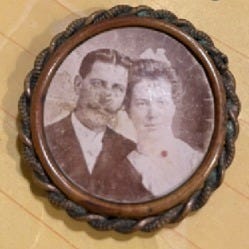
For the first time in 48 years, I was staring at my great-grandmother’s face. Why had Carole emailed the photo now? Just as I was about to return to the place where Jessie had lived?
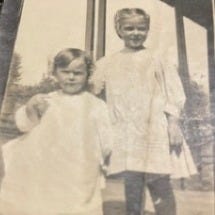
After the video and the tire change, Hugh and I walked around for a while, and he took a nap in the car before our drive. I wandered down the long front path to the main building, imagining Ernie and Jessie’s approach all those years ago. What had they been thinking and feeling? Did they have any sense that this place would become her forever home?
Though here in the physical, there’s no such thing.
Jane Burns’ words go through my head: “The Irish say, there are things in this world that can only be healed in the other world. And there are things in the other world that can only be healed in this world.” There’s a preview of River of Dreams.
To say I felt Jessie’s presence with me assumes a leap in belief. In fact, I did feel a maternal presence—a sense of the “great mother,” and also a young woman with smiling eyes looking ahead to a future she couldn’t see. One where a great-granddaughter would send another great-granddaughter photos through the ether, the two of us thinking of our gramma and great-gramma, knowing we’d never know the whole story.
Thank you for being here.
With love,
Robin
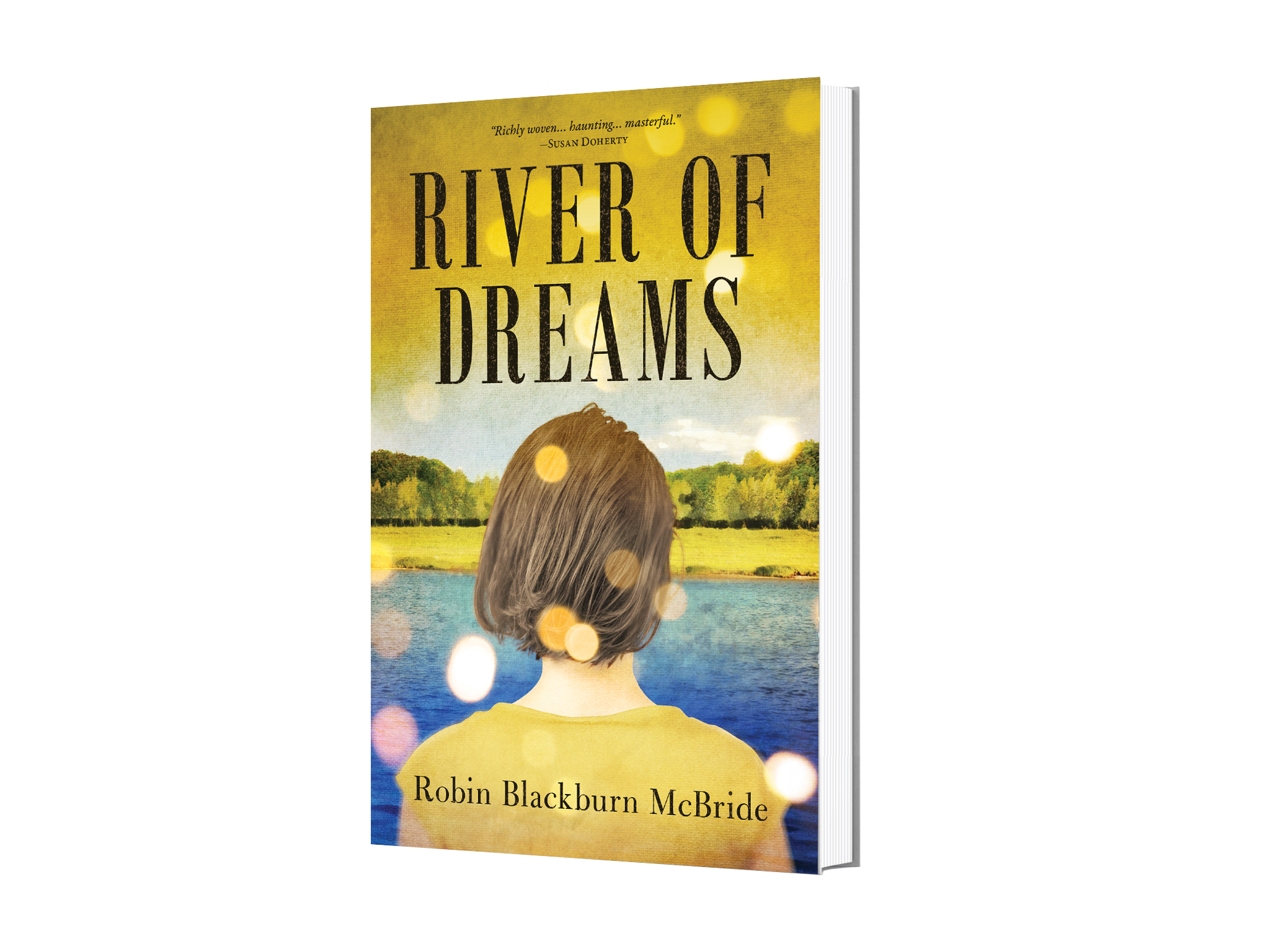
“Caught between her calling and society’s expectations… A haunting exploration of the fine line between genius and madness, and the courage it takes to embrace the extraordinary…”
—Susan Doherty, award-winning author of The Ghost Garden and Monday Rent Boy
River of Dreams is now available for pre-order. Books need early supporters. The novel will be released on October 1st, but pre-orders do a lot to help increase a new book’s visibility. I hope you’ll consider supporting this work by pre-ordering your copy.
Video of the Week
What’s Ahead
More summer. Enjoy! Look for my next letter to you in August.
Wow. That poem! This is the third time this week that long-term hospitalization like that has been mentioned to me. For decades, my mother was a nurse at Danvers State Mental Hospital in Massachusetts. She worked there to the last day as President Regan was shutting them down. She loved the old patients who had been there for decades, like your great-grandmother. There were men, too. She grieved for them and all they had lost, and worried for them, and how they would fare now that they were being released into the wild after decades in captivity. She knew it would not go well, which is why she stayed until the last. Earlier in her life, she had been hospitalized against her will. My father and her doctor just decided what was best for her. She was subjected to so many treatments that seemed to come straight from Bedlam. So many indignities. Her profound empathy for her patients was based on personal experience. I still remember some of the people she loved and told me about. Though none of them could be alive today, when I think of them, I still worry for them, too I'm looking forward to your novel.
I love the quote, "To heal the wound, sometimes we have to re-enter it." I have found that to be true. All of the synchronicities of your visit to the hospital- those are the signs, the blessings from the other side, for River of Dreams.