
Auld Lang Syne
Bittersweet Remembering & My Word for 2026

Dear Fellow Dreamer,
Over the holidays, I learned that a long-ago friend of mine from a long-ago relationship I might have once described as exquisite, crushing, and brief, had been killed in a 2018 road accident. With the click of a key, there he was—his handsome fifty-something face peering at me from my laptop screen, the strange elation of recognition inseparable from my short, sharp gasp.
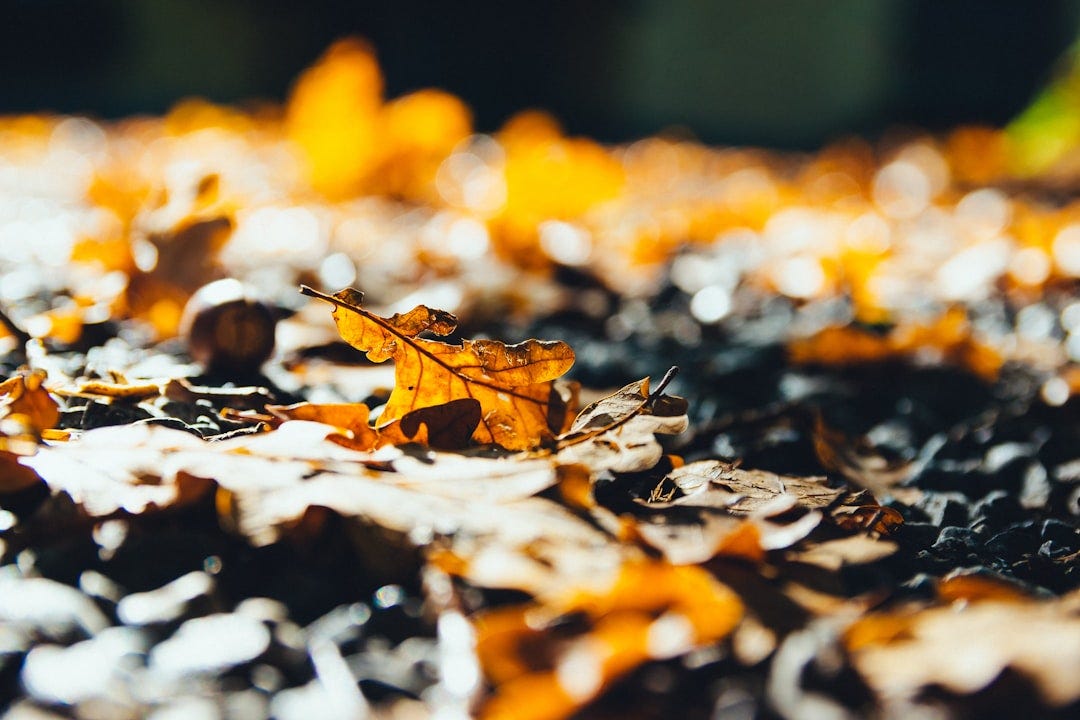
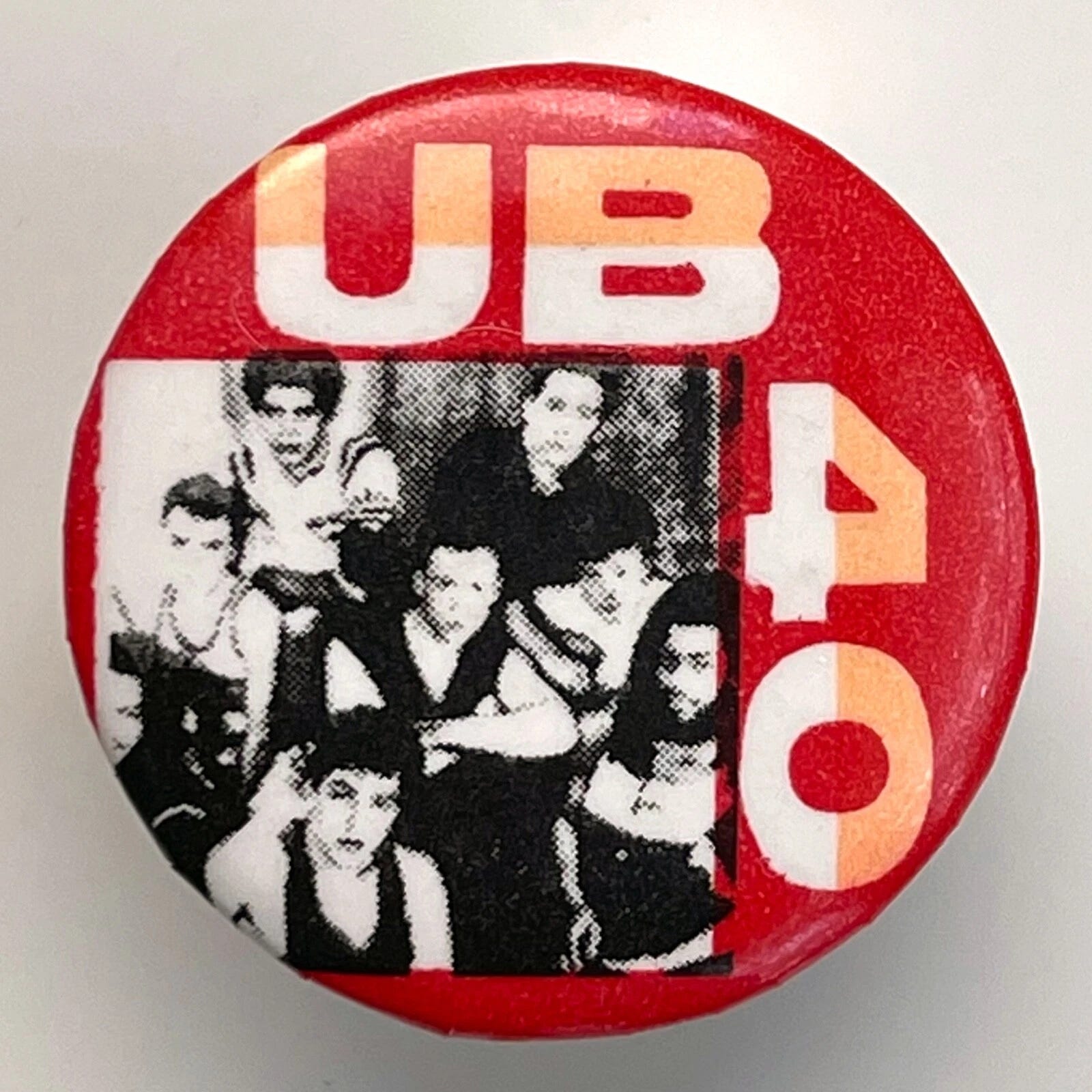
A few days prior to the discovery, in a week mostly devoted to rereading my forthcoming novel one last time before submitting it to the publisher, I’d taken part in a practice session with a fellow student of Celtic Shamanism. During our hour together, my colleague’s scan for “intrusions in my field” had led us to explore memories, and specifically, thoughts of my old friend (whom I’ll call) “Paul.” Shaking my head, I’d almost dismissed those recollections of us. “Oh my God. That was so many years ago. I was nineteen. It was my first year at university. My parents had just split up, I was living at home, and—honestly, I think that relationship was an escape.” One I’d poured myself into. Until suddenly, at the three-month mark, it was over. During the shamanic work, I’d shrugged. “I mean, how well did we know each other? We were kids.” Yet I still carried a memory of the October day when Paul and I connected in Queen’s Park, sunlight warming the fallen leaves, the trees’ shadows lengthening, Paul’s UB40 button glinting—a dash of red on his grey lapel. His serious glasses and easy smile. Paul walking his bicycle, the two of us talking—all of it somehow in medias res. How did we even come to meet and start that conversation? Thirty-four years later, in 2018, he’d been married for a couple of decades, had good jobs in his chosen field, and raised two kids. One day, while riding his bike to work in the designated lane, another vehicle cut him off.
On the one hand, I could look upon the obituary and a couple of articles—pictures of Paul and his family—and feel the soft sad acceptance of an older woman. Genuine compassion. That sense of sweetness in the few memories I hold of him—heartfelt prayers for him on the other side. I wish Paul and his family peace. But on the other hand, I found myself sitting up late into the night, unable to sleep, torn open by a nineteen-year-old’s grief. That familiar ache in my right kidney where my shamanic colleague had perceived and extracted an energetic “arrow”: “You were shot in the back. Cursed by a jealous woman.”
“What?” Wow. Really? “Who?”
Yet at this point, what did it matter who’d sent the arrow? Curse or none, at nineteen, I had years of learning in relationships ahead of me. It’s doubtful that even under the best of conditions our romance would have lasted. Nonetheless, on some level, the revelation of the invisible blade made sense. It brought relief. Even in my early twenties, there were times when I was aware of that dull pain in my back. After the removal of the intrusion, at first, I didn’t feel much beyond a sense of curiosity that drove me to search the Internet for news of Paul. Then the shock of his death reacquainted me with how—despite years of therapy, reflection, and healing through a myriad of modalities—the body holds old anguish. It’s a greening kind of hurt. A bittersweet despair that comes, reminding me of how vital our emotions are. How life affirming. And that our connections here matter.
Days prior, during the session, part of me had resisted the idea that I might have once been targeted. If such things as curses existed (things my rational mind may balk at while my intuition tells me otherwise), they only have impacts if, consciously or unconsciously, the receiver feels vulnerable enough to give them power. But more important: they can be removed. At least, that’s what experienced shamanic practitioners witness and teach. It’s part of the work. I’m not here to convince you to believe in such things or push a particular set of views, but simply to tell you a story. What you make of it is up to you. Always.
So, why tell you this story?
The longer I live, the more I resonate with the notion that we are dreamers in this human life. From a shamanic perspective, both ordinary reality and the dream world are part of a larger Dreaming. We are dreaming all the time—something I couldn’t see at nineteen, but perhaps had seen much earlier in childhood when trees had spirits, and I kissed flowers, and walls, and stones. When I sensed everything here was alive. Connected. Growing up in our modern culture, we’re conditioned to abandon our earliest animistic way of seeing and sensing in exchange for “the real world”—until, years later, some of us find our way back to perceiving what author Frank MacEowen calls “filaments of spirit” all around us. In the words of poet William Wordsworth, “We see into the life of things.” Or try to.
What dream are you choosing to dream? That’s a question I remain committed to asking. One I’ve lived with for many years—long before my work as a life coach began over a decade ago. In the Celtic worldview, our highest aim in this life is sovereignty—meaning we seek to live a life in which we honour the sovereignty of our soul. The duration of our human life is not the point. To the Celts, our purpose here is to heed our calling and do our best to fulfill our soul’s mission. Honouring soul becomes inextricable from honouring others and the land itself. In the pre-Celtic world, the great spirit of the land was known as “Danu” or Dana—the goddess of all the Celtic goddesses. To this day, in mainland Europe, the Danube River bears her name. Yet no matter our ancestry or tradition, or how we may relate to the notion of a higher power, honouring this dream while we’re living it—being courageous, and humble, and reverential to the spirit of life and creativity—those things, to my mind anyway, are paramount.
What kind of dream do you wish to be dreaming?
My word for 2025 was Harmony. Close to home, I let that notion guide me. Even with the world in the chaotic state it’s in, I could find harmony in the personal choices I made. And in my belief that as more of us strive to embody harmony in our daily lives, the world around us shifts. A long game, perhaps. But a guiding principle and vision. While naturally I encountered personal challenges in 2025, for me it was a mostly quiet, reflective year of writing, helping others, being in my garden, visiting family and friends, embracing shamanic training, and taking care of our home on this little patch of Earth where we live. Globally, it was a year of disasters. But we must not overlook the good. Even in bleak circumstances, we can choose our focus and return to the question: What dream would we love to be dreaming? However, doing that—choosing where to place our attention—does not, and must not, negate the real pain we experience in living a human life. As W. B. Yeats reminds us, “The world’s more full of weeping than [we] can understand.” Even dark moments hold gifts.
This month, it was no coincidence that I came across a particular passage in one of MacEowen’s books, The Spiral of Memory and Belonging. He writes of the downward and upward spirals we go through in a human life, along with “threshold experiences”—those betwixt-and-between, ineffable moments of clarity:
“In such a place we begin to feel things as interconnected, as holy. Our own sadness that we were drowning in on the downward spiral becomes simply the Sadness. Our own hurt and wounding that seemed to envelope us like a wet sheet on an icy night become simply another expression of the Common Wound, a shared wound known to all people throughout the ages. Through our suffering we come to remember our ancient human affiliation, and we realize—often in the deep embrace of the darkness—that it binds us to each other.”
We are connected. The essence of our sacred bond inspired my choice of word for 2026, with interconnectedness implicit in its every application.
Tending.
Such a deceptively soft verb. Like the gentle, steady flow of a river that has the power to smooth rock.
It comes from the Latin root word tendere, meaning to stretch, extend, spread out. In English, words such as intend, attend, and attendance—the act of being present—all derive from tendere. To tend to the needs of someone, something, a group, a creative work, an ecosystem, the land where we live, and so on, is a conscious act of being present and caring. Sometimes, being present means bearing witness. Not in futility. But in humility and hope. There’s a difference between being an optimist (having an inherent predisposition to “look on the bright side”) and being hopeful. Hope is not a natural bias. It requires work. A steady, constant flow of care—for one’s thoughts and intentions. One’s actions. One’s soul. For this world.
Our world needs souls to tend it. To keep a high watch and hold a vision of something better than the daily-news parade of horrors: greed, unconscionable acts of aggression, narcissism. As I’ve heard more than one spiritual teacher say, “Narcissists are the spell-casters of our age.” They hurl curses, too.
But such things can be removed.
I realize that’s easily said, though a huge challenge on the collective level. Yet we must not overlook our tremendous gifts, including the life-affirming potentialities latent within us.
Holding a vision of a better world doesn’t mean we’ll live to see it, but that we can believe in it now and take action for it with such love that love itself becomes the author. Love passed down. We are here to become good ancestors—to plant seeds and tend them for as long as we can. Love remembers love.
This is part of the Great Remembering.
What are you tending in 2026?
How does your soul wish to be acknowledged, cared for, and honoured?
And what about the planet where we live? Can you connect your sense of purpose with care and reverence for nature—for the spirit of life itself?
What aspects of your personal life are calling out for your attention? Your relationships? Your health and home? Prosperity? Your passions?
What about your work in the world? And your sense of playfulness?
I encourage you to be with those questions and write down the answers that come to you. Take time for this life-tending exercise. Then, make a list of the actions you can take in these early weeks of the New Year to help you align even more closely with your own sense of mission. If you’d like assistance with that, and to discuss life coaching, reach out to me. I love helping individuals gain clarity and take action for greater fulfillment.
For me, it will be a different kind of year than 2025. This is a book launch year, and so I’ll have River of Dreams to tend once we move into the late spring and summer. For a fiction author, there’s almost no point in writing a novel if we’re not prepared to stand behind it and help it find its readers. This book has things to say. And so, when the time is right, I’ll honour it.
This will be a year of higher visibility—though not just because of the book. But because I feel moved to provide whatever help I’m designed to offer. Sharing messages through writing and (once again) videos, being a soul friend to the gifted and highly creative individuals who come to work with me, and being a teacher—those actions are part of the year I envision. Tending means being present. Responsive.
I’ll also be tending my family, my beautiful husband and soul mate, Hugh, my garden, and my local environment in ways I can as a committed community member. As world news continues to unfold, I’ll tend the spirit of hope.
None of us knows how long we have here. But we do know we’re built for the journey. We’re built for loving connection.
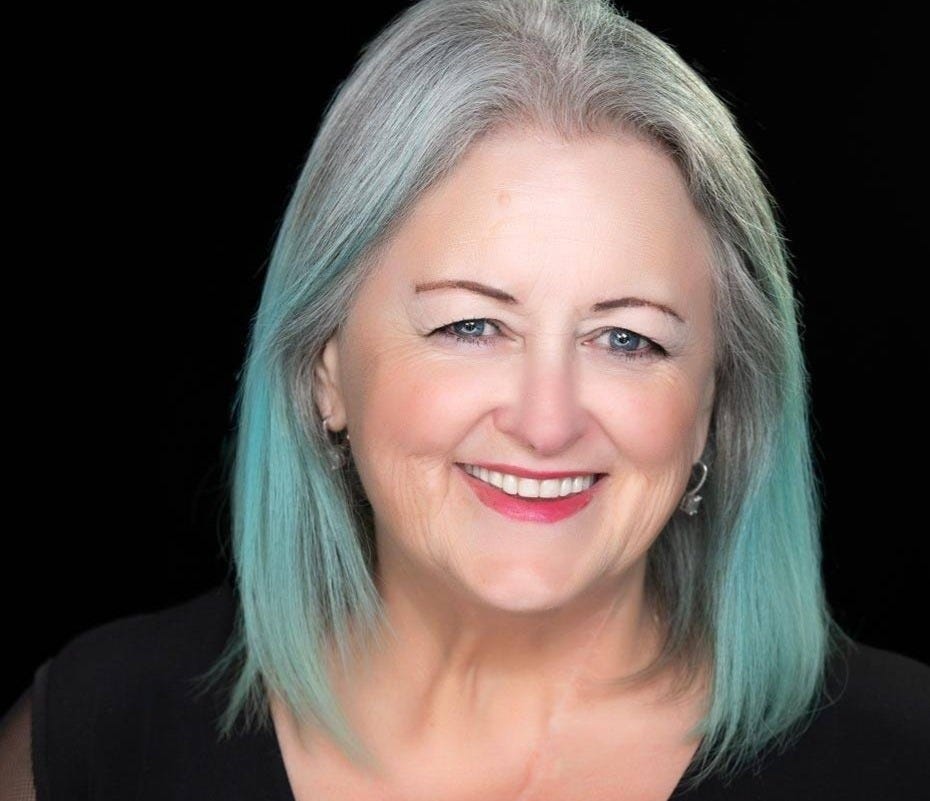
Finally, this week as I was working on this letter to you, a dear friend passed away. Elaine Lindsay was a Scottish-Canadian lass and a cherished member of my team from 2017 to 2020. Brilliant, tenderhearted, and funny, Elaine was a gifted tech expert, and vastly more. She was wise. Since this post is as much about remembrance as it is about going forward, I’m dedicating it to her.
Remembering those we’ve treasured in this life, and also respecting that death is a natural part of our journey here, I’ll leave you with two things.
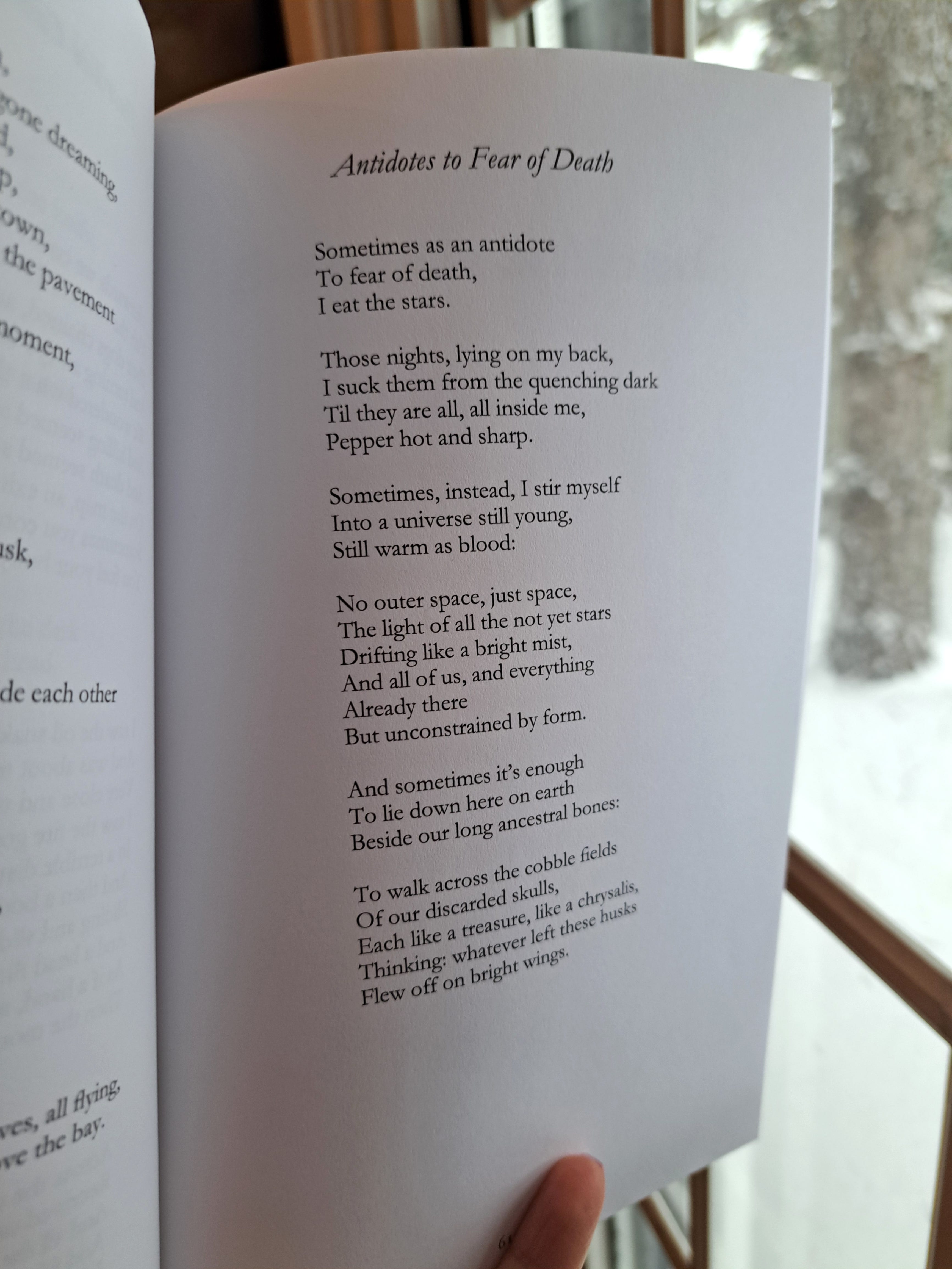
First, one of the most gorgeous poems I’ve encountered. Thanks to my shamanic teacher, Jane Burns, for sharing it. The piece is by Rebecca Elson (1960 – 1999) who was a Canadian-American astronomer and writer. It comes from her book, A Responsibility to Awe—one I immediately sought out. By way of The Guardian, here’s Elson’s “Antidotes to Fear of Death.” And a photo of it, too.
The second and last thing I’ll leave you with is a song sung at New Year’s, and for some of us, on January 25th. Here’s a video of The Hound + The Fox singing lyrics penned by Scottish social and political activist, Robert Burns (1759 – 1796)—someone who used his poetry to challenge the existing establishment and champion the rights of the common people. The title “Auld Lang Syne” means “for the sake of old times.”
Let’s never forget who we are and why we’re here.
In kindness,
Robin

Hi Robin. Thanks for your tender welcome into 2026. So much tending in this piece that resonates for me. I will sit with it and come back. One note at a glance: "tension" grows from the same Latin root, "tendere". It refers to a stretched state (literally or figuratively), a strained condition that comes from being or feeling stretched. Our default interpretation is negative--I am (or things are) so tense. As writers, we know tension is a necessary plot device to hold readers, to address shifts in the narrative, for characters to respond, to change and, with luck, to grow. And so, also, for us in our lives.
Connecting here to your point that we do not shy away from what is happening in the world, from the tensions in this *dream we call life*, create a valve for us to respond, to change, and with luck to grow.
And maybe that is part of our purpose here: to tend, to stretch, to hold the tensions and evolve past them. And from that we make meaning.
Words to ponder in 2026. And to tend. Thank you!
I love your line about how our connections here matter!
And I have a similar attitude towards the shamanic healer that told me I had an inter dimensional being living in my shoulder. I mean … okay. But I swear when she got rid of it the pain I’d experienced for 15 years went away!